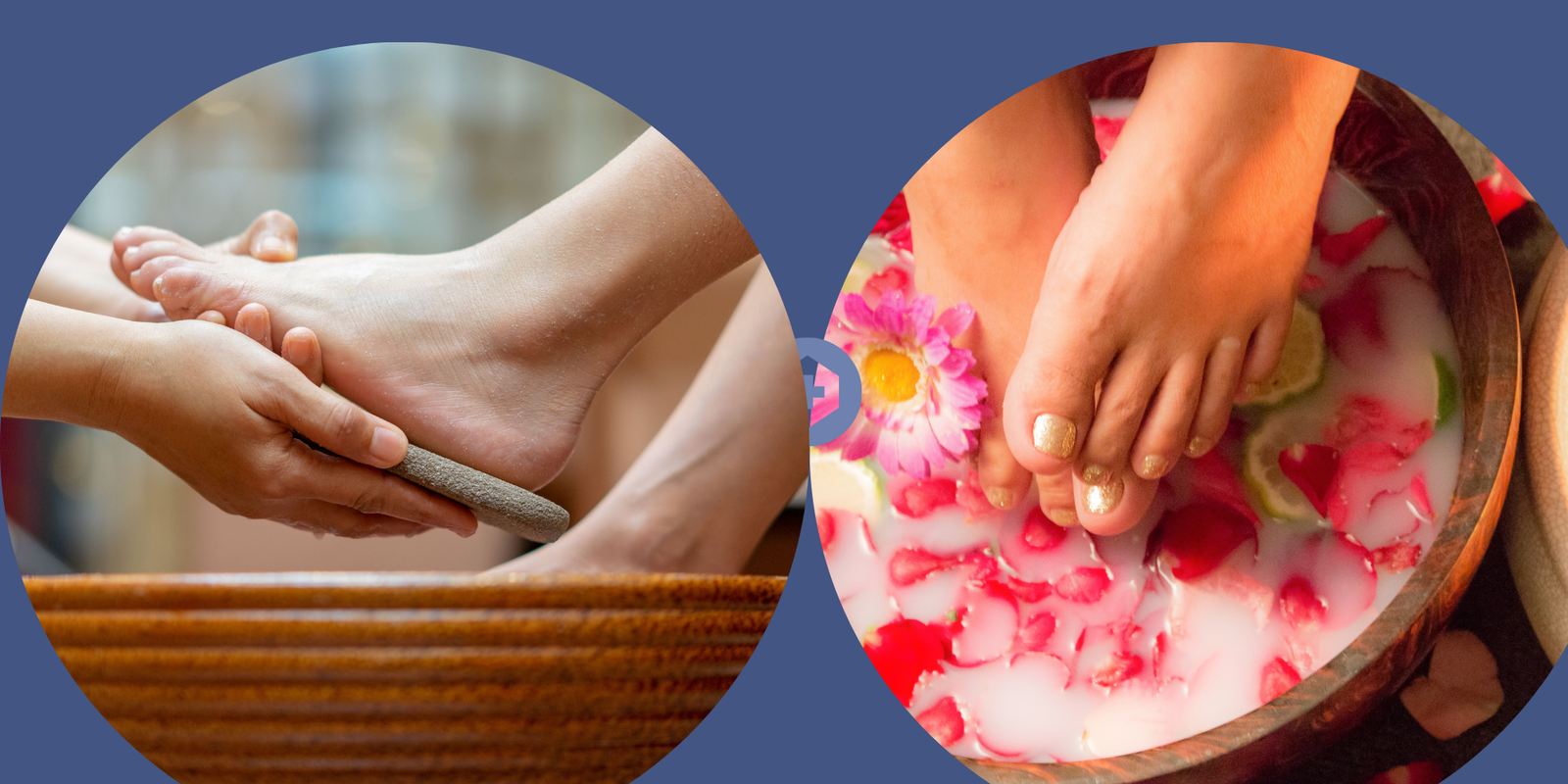
Our feet are often the unsung heroes of our daily lives, carrying us through countless steps and activities without much thought. Yet, when they start to ache or develop issues, we quickly realize just how essential foot health is to our overall well-being. Proper foot care is not just about pampering yourself with pedicures; it’s about maintaining the health and functionality of your feet to ensure you can move comfortably and pain-free. In this guide, we’ll delve into the significance of foot care, daily routines to keep your feet in top condition, essential tools and creams, as well as tips for choosing the right shoes.

What is Proper Foot Care?
Proper foot care is the foundation of maintaining healthy and pain-free feet, essential for overall well-being and mobility. It encompasses a comprehensive approach to hygiene, preventive measures, and treatments aimed at preserving the health and functionality of your feet. Whether you’re an athlete striving for peak performance, someone who spends long hours on their feet at work, or simply looking to prevent discomfort and potential foot problems, understanding the fundamentals of proper foot care is paramount.
At its core, proper foot care involves several key components:
Hygiene: Regularly washing and drying your feet is essential for preventing odor, fungal infections, and other hygiene-related issues. Use warm water and mild soap to cleanse your feet, paying particular attention to the spaces between your toes and the bottoms of your feet where dirt and bacteria can accumulate. After washing, ensure thorough drying, especially in areas prone to moisture buildup, to prevent fungal infections such as athlete’s foot.
Nail Care: Proper trimming and maintenance of your toenails are crucial aspects of foot care. Trim your nails straight across to prevent ingrown toenails, which can lead to pain, infection, and discomfort. Avoid cutting them too short or rounding the edges, as this can increase the risk of ingrown nails. Additionally, regularly inspect your nails for signs of fungal infections or other abnormalities and seek prompt treatment if necessary.
Moisturization: Keeping your feet adequately moisturized helps prevent dry, cracked skin and promotes overall skin health. Apply a moisturizing foot cream or lotion daily, focusing on areas prone to dryness such as the heels and soles. Choose products containing hydrating ingredients like shea butter, glycerin, or urea, and consider using exfoliating foot scrubs occasionally to remove dead skin and enhance absorption.
Footwear: Wearing properly fitting shoes that provide adequate support and cushioning is essential for preventing foot pain, injuries, and deformities. Choose shoes designed for the specific activities you’ll be engaging in, ensuring they offer sufficient arch support, shock absorption, and room for your toes to move comfortably. Avoid excessively high heels or narrow, pointy-toed shoes that can cause undue pressure and discomfort on your feet.
Regular Check-ups: Regularly inspecting your feet for any signs of injury, irritation, or abnormalities is crucial for early detection and treatment of potential issues. Monitor changes in skin color or texture, the presence of cuts or wounds, and any unusual sensations such as tingling or numbness. If you have diabetes or other chronic conditions that affect foot health, consider scheduling regular check-ups with a foot care specialist or healthcare provider for comprehensive evaluation and management.
By incorporating these principles into your daily routine, you can maintain optimal foot health and minimize the risk of discomfort, pain, and complications. Proper foot care not only ensures your feet remain functional and pain-free but also contributes to your overall quality of life and well-being.


Daily Foot Care Routine
Establishing a daily foot care routine is essential for maintaining the health, hygiene, and comfort of your feet. By dedicating just a few minutes each day to caring for your feet, you can prevent common issues such as odor, infections, dryness, and discomfort. Here’s a detailed breakdown of an effective daily foot care routine:
Wash Your Feet Thoroughly: Begin by washing your feet with warm water and a gentle soap. Use your hands or a soft washcloth to lather the soap and gently cleanse your feet, paying extra attention to the areas between your toes and around your nails where dirt and bacteria tend to accumulate. Proper cleansing removes sweat, bacteria, and dirt, reducing the risk of infections and odors.
Dry Your Feet Completely: After washing, thoroughly dry your feet, including the spaces between your toes. Use a clean towel and gently pat your feet dry rather than rubbing, as excessive friction can irritate the skin. Moisture between the toes can create an ideal environment for fungal infections, so ensure this area is completely dry to prevent issues like athlete’s foot.
Moisturize Your Feet: Once your feet are dry, apply a moisturizing foot cream or lotion to keep the skin soft, supple, and hydrated. Focus on areas prone to dryness, such as the heels, balls of the feet, and sides. Massaging the moisturizer into your feet not only hydrates the skin but also promotes circulation and relaxation.
Trim Your Toenails: Regular toenail maintenance is crucial for preventing ingrown toenails and maintaining overall foot health. Use a clean, sanitized nail clipper to trim your nails straight across, avoiding rounding the corners to reduce the risk of ingrowth. Trim them to a length that aligns with the tips of your toes, ensuring they don’t extend too far beyond the nail bed.
Inspect Your Feet: Take a few moments each day to inspect your feet for any signs of abnormalities or issues. Look for cuts, scrapes, blisters, redness, swelling, or changes in skin color or texture. Check for signs of fungal infections, such as scaling, itching, or peeling skin. Early detection allows for prompt treatment and prevents minor issues from escalating into more significant problems.
Wear Clean Socks and Shoes: Ensure you wear clean socks made of breathable materials to help absorb moisture and keep your feet dry throughout the day. Choose shoes that provide adequate support, cushioning, and room for your toes to move comfortably. Rotate your shoes regularly to allow them to air out and prevent the buildup of odor-causing bacteria.
Practice Good Foot Hygiene: In addition to your daily routine, incorporate good foot hygiene practices into your lifestyle. Avoid walking barefoot in public areas to reduce the risk of fungal infections and injuries. Keep your feet protected in communal showers, pools, and gyms by wearing flip-flops or shower shoes. Change out of damp or sweaty socks and shoes promptly to prevent bacterial and fungal growth.
By following these simple yet effective daily foot care practices, you can keep your feet clean, healthy, and comfortable day in and day out. Consistency is key, so make your foot care routine a non-negotiable part of your daily self-care regimen. Your feet will thank you for the attention and care they deserve.





How to Clean Your Heels?
Cleaning your heels is an essential aspect of foot care, particularly for maintaining soft, smooth skin and preventing dryness, cracking, and potential infections. Whether you wear open-back shoes, sandals, or spend a lot of time on your feet, regular cleaning and exfoliation of your heels can help keep them healthy and attractive. Here’s a detailed guide on how to effectively clean your heels:
Soak Your Feet: Start by soaking your feet in warm, soapy water to soften the skin and prepare it for exfoliation. You can add a few drops of mild liquid soap or foot soak to a basin or foot spa filled with warm water. Allow your feet to soak for 10-15 minutes to help loosen dead skin cells and debris.
Exfoliate with a Foot Scrub or Pumice Stone: After soaking, use a foot scrub or pumice stone to gently exfoliate the skin on your heels and other rough areas of your feet. Apply the foot scrub in circular motions, focusing on the heels, sides, and balls of your feet. Alternatively, gently rub the pumice stone over your heels in a back-and-forth motion to remove dead skin buildup and smooth rough patches.
Pay Attention to Calluses and Rough Spots: If you have particularly thick or stubborn calluses on your heels, you may need to use a foot file or callus remover to further reduce their thickness. Be gentle and avoid applying too much pressure to prevent irritation or damage to the skin. Continue exfoliating until your heels feel smooth and soft to the touch.
Rinse and Dry Your Feet: Once you’ve finished exfoliating, rinse your feet thoroughly with clean water to remove any remaining scrub or dead skin particles. Pat your feet dry with a soft towel, paying special attention to the spaces between your toes and around your nails. Avoid rubbing too vigorously, as this can cause irritation and friction on the skin.
Apply Moisturizer: After cleaning and drying your feet, apply a generous amount of moisturizing foot cream or lotion to your heels and the rest of your feet. Choose a product with hydrating ingredients like shea butter, glycerin, or urea to help lock in moisture and keep your skin soft and supple. Massage the moisturizer into your heels using circular motions, focusing on areas prone to dryness and roughness.
Wear Socks or Open-Back Shoes: To maximize the benefits of moisturizing your heels, consider wearing socks or open-back shoes after applying the moisturizer. This helps seal in the moisture and allows it to penetrate deeply into the skin, promoting hydration and preventing dryness.
Repeat Regularly: For best results, incorporate heel cleaning and moisturizing into your regular foot care routine. Aim to exfoliate your heels at least once or twice a week to maintain smooth, healthy skin. Consistency is key to preventing buildup of dead skin cells and maintaining the overall appearance and health of your heels.
By following these steps and incorporating regular heel cleaning and moisturizing into your foot care regimen, you can keep your heels soft, smooth, and free from dryness and discomfort. Taking care of your heels not only improves their appearance but also contributes to the overall health and well-being of your feet.
How Do I Keep My Feet Soft?
Keeping your feet soft and smooth is essential for overall foot health and comfort. Soft, well-moisturized feet not only look attractive but also feel more comfortable and are less prone to issues such as dryness, cracking, and calluses. Here are some effective strategies to help you maintain soft, supple feet:
Regular Exfoliation: Exfoliating your feet is key to removing dead skin cells and promoting cell turnover, resulting in softer, smoother skin. Use a gentle foot scrub or exfoliating scrub with natural ingredients like sugar or salt to slough off dead skin and reveal fresh, healthy skin underneath. Focus on rough areas such as the heels, balls of the feet, and sides.
Foot Soaks: Soaking your feet in warm water can help soften the skin and prepare it for exfoliation. Add Epsom salts, essential oils, or bath salts to the water for added relaxation and skin-nourishing benefits. Soak your feet for 10-15 minutes, then gently pat them dry with a towel before proceeding with your foot care routine.
Moisturize Daily: Moisturizing your feet daily is essential for maintaining hydration and preventing dryness. Choose a rich, emollient foot cream or lotion containing ingredients like shea butter, cocoa butter, or urea to deeply hydrate the skin. Apply the moisturizer generously to your feet, focusing on areas prone to dryness such as the heels and soles. For extra hydration, wear socks overnight after applying moisturizer to lock in moisture and enhance absorption.
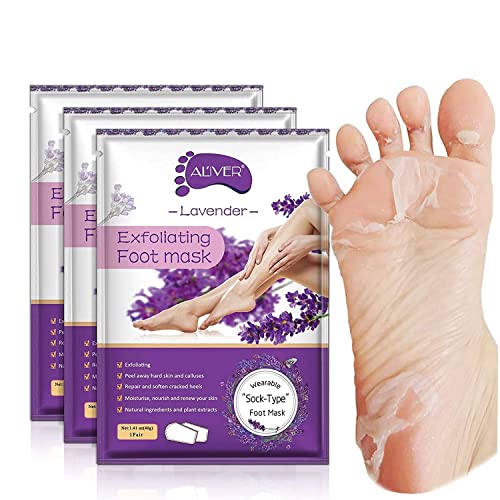
Use Foot Masks: Foot masks are intensive treatment products designed to deeply moisturize and nourish the skin on your feet. They typically contain hydrating ingredients like hyaluronic acid, glycerin, and botanical extracts to soften rough skin and restore moisture balance. Apply the foot mask to clean, dry feet, leave it on for the recommended time, then rinse off and follow with moisturizer for maximum softness.
Protect Your Feet: Protecting your feet from environmental stressors and friction can help prevent dryness and roughness. Wear supportive, cushioned shoes that fit well and provide adequate protection and shock absorption. Avoid walking barefoot on hard surfaces or rough terrain, as this can lead to calluses and rough skin. Use cushioned insoles or pads to alleviate pressure points and reduce friction on sensitive areas of the feet.
Stay Hydrated: Drinking plenty of water helps keep your skin hydrated from the inside out, including the skin on your feet. Aim to drink at least eight glasses of water per day to maintain optimal hydration levels throughout your body, including your feet.
Healthy Diet: Consuming a balanced diet rich in vitamins, minerals, and essential fatty acids can support healthy skin and promote softness. Include foods high in antioxidants, such as fruits, vegetables, and nuts, to protect your skin from oxidative stress and maintain its elasticity and suppleness.
By incorporating these simple yet effective strategies into your foot care routine, you can keep your feet soft, smooth, and comfortable year-round. Consistency is key, so make softening your feet a regular part of your self-care regimen to enjoy healthy, beautiful feet that look and feel their best.



What is a Foot Care Nurse?
A foot care nurse is a specialized healthcare professional with expertise in assessing, diagnosing, and treating various foot conditions and disorders. These dedicated professionals play a vital role in promoting foot health, preventing complications, and improving the quality of life for individuals with foot-related issues.
Roles and Responsibilities:
Assessment: Foot care nurses conduct comprehensive assessments of patients’ feet, including inspecting the skin, nails, and overall foot structure. They evaluate factors such as circulation, sensation, and any signs of injury or infection.
Diagnosis: Based on their assessment findings, foot care nurses diagnose various foot conditions, ranging from common ailments like corns, calluses, and ingrown toenails to more complex issues such as diabetic foot ulcers, fungal infections, and peripheral neuropathy.
Treatment: Foot care nurses provide a wide range of treatments to address the specific needs of their patients. This may include trimming and debriding nails, reducing corns and calluses, applying topical medications, and providing wound care for ulcers or injuries.
Education: A crucial aspect of a foot care nurse’s role is patient education. They educate individuals on proper foot care techniques, diabetic foot care management, footwear selection, and strategies for preventing foot problems. By empowering patients with knowledge and skills, foot care nurses help them take an active role in maintaining their foot health.
Preventive Care: In addition to treating existing foot issues, foot care nurses focus on preventive care to minimize the risk of complications and future problems. They may perform routine foot assessments, provide recommendations for foot hygiene and self-care practices, and offer guidance on footwear selection to promote foot health and prevent injuries.
Collaboration: Foot care nurses often collaborate with other healthcare professionals, such as physicians, podiatrists, physical therapists, and diabetes educators, to provide comprehensive care for patients with complex foot issues. They contribute valuable insights and expertise to multidisciplinary care teams, ensuring holistic management of foot-related conditions.
Specialized Expertise:
Foot care nurses possess specialized knowledge and skills in foot health and are trained to address a wide range of foot-related concerns. They undergo extensive education and training in foot care techniques, wound management, infection control, and patient education. Many foot care nurses pursue additional certifications or advanced training in areas such as diabetic foot care, wound care, or geriatric foot health to further enhance their expertise.
Impact on Patient Care:
The role of a foot care nurse is instrumental in improving the quality of life for individuals with foot issues, particularly those with chronic conditions such as diabetes or peripheral vascular disease. By providing timely assessment, treatment, and education, foot care nurses help prevent complications, promote healing, and enhance mobility and independence for their patients. Their compassionate care and dedication make a significant difference in the lives of those they serve, empowering individuals to maintain optimal foot health and overall well-being.
In summary, foot care nurses play a critical role in promoting foot health, preventing complications, and improving the quality of life for individuals with foot-related issues. With their specialized expertise, compassionate care, and dedication to patient education, foot care nurses are invaluable members of the healthcare team, ensuring that individuals receive comprehensive and personalized care for their foot health needs.
Essential Pedicure Tools
Performing a pedicure at home not only enhances the appearance of your feet but also contributes to their overall health and well-being. Having the right tools on hand ensures that you can effectively and safely care for your nails, cuticles, and skin. Here are some essential pedicure tools you should consider including in your at-home pedicure kit:
Nail Clippers: High-quality nail clippers are essential for trimming your toenails to the desired length. Look for clippers with sharp, precision blades that allow for clean, straight cuts without causing splintering or uneven edges. Choose a clipper size that matches the curvature of your nails for optimal results.
Nail File: A nail file is useful for shaping and smoothing the edges of your toenails after trimming. Opt for a fine-grit emery board or crystal nail file that gently shapes the nails without causing damage or roughness. Use the file to smooth out any rough edges and refine the shape of your nails for a polished appearance.
Cuticle Pusher: A cuticle pusher or orangewood stick is essential for gently pushing back the cuticles and removing excess skin around the nail bed. This helps create a clean, well-groomed nail surface and prevents the cuticles from growing over the nail edges. Choose a tool with a rounded or angled tip for precise, comfortable use.
Cuticle Nippers: Cuticle nippers are small, sharp tools designed for trimming excess cuticle tissue and hangnails. Use them sparingly and with caution to avoid over-trimming or injuring the delicate skin around the nails. Look for stainless steel nippers with sharp blades and a comfortable grip for ease of use.
Foot File or Pumice Stone: A foot file or pumice stone is essential for exfoliating rough, dry skin on the heels, balls of the feet, and other areas prone to calluses and rough patches. Choose a tool with a coarse or medium-grit surface that effectively removes dead skin buildup without causing irritation. Regular use of a foot file helps keep your feet soft, smooth, and free from roughness.
Toe Separators: Toe separators are soft, cushioned devices designed to keep the toes separated during pedicure procedures, such as painting the nails or applying polish. They help prevent smudging and ensure even application of nail polish, creating a professional-looking finish. Choose silicone or foam toe separators that are comfortable to wear and easy to clean.
Nail Polish Remover: Nail polish remover is essential for removing old nail polish and prepping the nails for a fresh coat. Opt for an acetone-based remover for effective removal of stubborn polish, or choose a gentler, acetone-free formula if you have sensitive nails or skin.
Moisturizing Lotion or Cream: Finish your pedicure with a nourishing moisturizer to hydrate and soften the skin on your feet and legs. Look for a rich, emollient formula containing ingredients like shea butter, glycerin, or coconut oil to replenish moisture and soothe dry, rough skin. Massage the lotion or cream into your feet and legs using gentle, circular motions for maximum absorption and relaxation.
By having these essential pedicure tools on hand, you can perform professional-quality pedicures at home and maintain the health and beauty of your feet with ease. Whether you’re treating yourself to a relaxing spa day or simply maintaining your foot care routine, these tools will help you achieve soft, smooth, and well-groomed feet that look and feel their best.
The Best Foot Creams For Dry Feet
Dealing with dry, rough feet can be uncomfortable and unsightly, but the right foot cream can make all the difference in restoring moisture and softness to your skin. With a plethora of options available, it’s essential to choose a foot cream specifically formulated to address dryness and hydration needs. Here are some of the best foot creams for dry feet:
O’Keeffe’s for Healthy Feet Foot Cream: O’Keeffe’s is renowned for its intensive moisturizing formulas, and their Healthy Feet Foot Cream is no exception. This concentrated cream contains glycerin and allantoin to penetrate deeply into the skin, providing long-lasting hydration and relieving dryness and cracked heels.
Eucerin Advanced Repair Foot Cream: Eucerin’s Advanced Repair Foot Cream is a dermatologist-recommended formula that effectively soothes and moisturizes dry, rough feet. Enriched with ceramides and urea, it strengthens the skin’s natural moisture barrier and provides immediate relief from dryness and discomfort.
Burt’s Bees Coconut Foot Cream: Burt’s Bees Coconut Foot Cream is a luxurious, nourishing treatment that combines coconut oil, peppermint oil, and rosemary extract to soften and revitalize dry, tired feet. Its rich, creamy texture absorbs quickly into the skin, leaving behind a refreshing, invigorating scent.
Neutrogena Norwegian Formula Foot Cream: Neutrogena’s Norwegian Formula Foot Cream is a classic favorite for its rich, creamy formula that deeply moisturizes and repairs dry, cracked heels. Formulated with glycerin, petrolatum, and alpha hydroxy acids, it helps soften rough skin and restore smoothness and elasticity.
Lorem ipsum dolor sit amet, consectetur adipiscing elit. Ut elit tellus, luctus nec ullamcorper mattis, pulvinar dapibus leo.
CeraVe Renewing SA Foot Cream: CeraVe Renewing SA Foot Cream is a gentle yet effective option for dry, rough feet, especially those prone to calluses and rough patches. Infused with salicylic acid and ceramides, it exfoliates dead skin cells, hydrates deeply, and helps restore the skin’s natural barrier function.
Ahava Dead Sea Mineral Foot Cream: Ahava’s Dead Sea Mineral Foot Cream harnesses the power of minerals from the Dead Sea to hydrate, soothe, and nourish dry, cracked feet. Enriched with Dead Sea minerals, aloe vera, and shea butter, it replenishes moisture, softens rough skin, and promotes overall foot health.
Flexitol Heel Balm: Flexitol Heel Balm is a clinically proven formula specifically designed to moisturize and repair severely dry, cracked heels and feet. With its rich blend of emollients, urea, and lanolin, it provides intensive hydration and helps restore the skin’s natural elasticity and suppleness.
When choosing a foot cream for dry feet, look for ingredients like urea, glycerin, shea butter, and essential oils that effectively moisturize and nourish the skin. Additionally, consider your specific foot care needs, such as extra hydration, exfoliation, or targeted treatment for cracked heels, to find the best foot cream that suits your preferences and addresses your concerns. Regular use of a quality foot cream can help keep your feet soft, smooth, and comfortable, allowing you to step confidently with every stride.

How Many Types of Shoes Are There?
The world of footwear offers a vast array of options, each designed to cater to different needs, preferences, and activities. Understanding the various types of shoes available can help you make informed choices when selecting footwear that not only complements your style but also supports the health and comfort of your feet. Let’s explore some common types of shoes and discuss which ones may be best suited for your feet. Athletic Shoes: Athletic shoes, also known as sneakers or trainers, are designed for sports and physical activities. They typically feature cushioned soles, supportive midsoles, and breathable uppers to provide comfort, stability, and performance during running, walking, or other athletic pursuits. Examples include running shoes, basketball shoes, and cross-training shoes.


Casual Shoes: Casual shoes are versatile, everyday footwear suitable for a wide range of activities and occasions. They come in various styles, including sneakers, loafers, boat shoes, and slip-ons, and are characterized by their comfort, ease of wear, and casual aesthetic. Casual shoes are perfect for leisurely outings, running errands, or relaxed social gatherings.
Dress Shoes: Dress shoes are formal footwear designed for special occasions, professional settings, or formal events. They include styles such as oxfords, loafers, derbies, and brogues, often crafted from high-quality materials like leather or suede. Dress shoes feature sleek, polished designs and refined details, making them ideal for weddings, business meetings, or upscale gatherings.
Boots: Boots are sturdy, versatile footwear characterized by their extended coverage, typically reaching above the ankle or higher. They come in various styles, including ankle boots, knee-high boots, and combat boots, and are suitable for both casual and formal wear. Boots provide excellent support, protection, and insulation, making them ideal for colder climates or rugged terrain.
Sandals: Sandals are open-toe footwear characterized by their minimalist design and breathable construction. They feature straps or thong-style designs and are perfect for warm weather or casual outings. Sandals come in various styles, including flip-flops, slides, gladiator sandals, and wedge sandals, offering comfort and style for beach days, vacations, or everyday wear.
Heels: Heels are women’s footwear characterized by their elevated heel height, typically ranging from a few inches to several inches high. They come in various styles, including pumps, stilettos, wedges, and block heels, and are worn for formal occasions, work settings, or evening events. Heels add height, elegance, and sophistication to outfits, enhancing posture and silhouette.
Flats: Flats are women’s shoes with a flat or low heel height, providing comfort and versatility for everyday wear. They come in various styles, including ballet flats, loafers, moccasins, and espadrilles, and are perfect for casual outings, work settings, or travel. Flats offer practicality, ease of wear, and understated elegance, complementing a wide range of outfits.
Slippers: Slippers are indoor footwear designed for comfort and relaxation around the home. They come in various styles, including moccasins, slides, and slip-on slippers, and are typically made from soft, cozy materials like fleece, wool, or cotton. Slippers provide warmth, cushioning, and protection for your feet, making them perfect for lounging, leisure, or cozy nights in.
These are just a few examples of the many types of shoes available, each serving different purposes, styles, and preferences. Whether you’re looking for athletic performance, formal elegance, casual comfort, or cozy relaxation, there’s a perfect pair of shoes to suit your needs and lifestyle.
While the best type of shoe for your feet depends on factors such as your foot shape, activity level, and personal preferences, there are some general guidelines to keep in mind.
Choosing the Perfect Shoes for Your Feet
Selecting the right shoes is crucial for maintaining foot health, preventing discomfort, and supporting your overall well-being. With countless options available, it’s essential to consider factors such as fit, support, comfort, and function to ensure you choose footwear that meets your specific needs and preferences. Here’s a comprehensive guide to help you choose the perfect shoes for your feet:
Consider Your Foot Type: Understanding your foot type is the first step in selecting appropriate footwear. Determine whether you have low arches (flat feet), normal arches, or high arches, as this can influence the type of support and cushioning your feet require. If you’re unsure about your foot type, consider consulting a podiatrist or shoe specialist for a professional assessment.
Understanding Your Foot Type
Your foot type plays a significant role in determining the type of shoes that will provide the best support, comfort, and alignment for your feet. By understanding your foot type, you can make informed decisions when selecting footwear, ultimately promoting better foot health and overall comfort. Here’s a closer look at different foot types and how they can influence your shoe choices:
Normal Arch (Neutral Pronation): If you have a normal arch, your feet typically exhibit a moderate inward roll (pronation) when walking or running, which helps absorb shock and distribute pressure evenly across the foot. Normal arches usually have a distinct curve along the inside of the foot, with the ball of the foot and heel bearing most of the body weight. People with normal arches can generally wear a wide range of shoes, but they may benefit from shoes with moderate arch support and cushioning to enhance comfort and stability.
Low Arch (Flat Feet, Overpronation): Flat feet, also known as low arches, have minimal or no visible arch along the inside of the foot, causing the foot to roll inward excessively (overpronation) when walking or running. This can lead to issues such as foot fatigue, arch strain, and misalignment of the lower body. Individuals with flat feet may benefit from shoes with motion control features, reinforced arch support, and stability enhancements to help correct overpronation and provide adequate support and cushioning.
High Arch (Underpronation, Supination): High arches are characterized by a pronounced arch along the inside of the foot, causing the foot to roll outward (underpronation or supination) during movement. This can result in reduced shock absorption and increased pressure on the outside of the foot, leading to issues such as ankle instability, heel pain, and stress fractures. People with high arches may benefit from shoes with cushioned midsoles, ample flexibility, and extra support in the arch and heel areas to help absorb shock and provide stability during activity.
Mixed Foot Type: Some individuals may have a combination of features from different foot types, such as a normal arch on one foot and a low arch on the other, or a high arch with pronation tendencies. In such cases, it’s essential to assess each foot individually and choose shoes that accommodate the specific needs of each foot. Custom orthotics or inserts may also be recommended to address any discrepancies in foot structure and alignment.
How to Determine Your Foot Type:
Wet Test: One way to determine your foot type is by performing a wet test. Wet the sole of your foot, then step onto a piece of paper or a surface that will leave a visible imprint of your foot. Examine the shape of the imprint to see if it matches the characteristics of a normal arch, low arch, or high arch.
Foot Analysis: You can also consult a podiatrist, orthopedic specialist, or shoe fitting expert for a professional assessment of your foot type. They may perform a thorough evaluation of your foot structure, gait, and biomechanics to identify any issues or abnormalities that may affect your foot function and comfort.
Choosing Shoes Based on Your Foot Type:
Once you’ve determined your foot type, you can select shoes that provide the appropriate level of support, cushioning, and stability to accommodate your specific needs. Look for shoes with features such as:
Arch Support: Choose shoes with built-in arch support or removable insoles that provide adequate support for your arch type.
Motion Control: If you have flat feet or overpronation, opt for shoes with motion control features to help correct excessive inward rolling of the foot.
Cushioning: Select shoes with cushioned midsoles and shock-absorbing materials to provide comfort and reduce impact during activity.
Stability Features: Look for shoes with stable construction and supportive features to promote proper alignment and prevent excessive foot movement.
By understanding your foot type and selecting appropriate footwear, you can ensure that your shoes provide the necessary support, comfort, and protection for your feet, allowing you to move confidently and comfortably with every step. If you have any concerns about your foot type or need personalized recommendations, consult a healthcare professional or shoe fitting specialist for guidance tailored to your individual needs.
Get Proper Measurements: Before purchasing shoes, have your feet measured to ensure you select the right size. Feet can change in size and shape over time, so it’s essential to measure both the length and width of your feet accurately. Choose shoes that accommodate the longer and wider foot if there’s a difference between your feet.
Prioritize Comfort: Comfort should be a top priority when choosing shoes. Look for shoes with cushioned insoles, ample padding, and soft materials that provide comfort and support throughout the day. Avoid shoes that pinch, rub, or cause discomfort, as they can lead to foot pain, blisters, and other issues.
Assess Arch Support: Adequate arch support is essential for maintaining proper alignment and preventing foot fatigue and pain. Consider shoes with built-in arch support or removable insoles that allow you to customize the level of support based on your foot type and comfort preferences. Arch support can help alleviate discomfort associated with conditions like plantar fasciitis or overpronation.
Evaluate Shoe Construction: Pay attention to the construction and materials of the shoes you’re considering. Look for shoes with durable, breathable uppers that provide ample ventilation and reduce the risk of moisture buildup and odor. Check the stitching, seams, and overall craftsmanship for quality and longevity.
Consider Activity-Specific Shoes: Different activities require different types of footwear. Whether you’re running, walking, hiking, playing sports, or working, choose shoes specifically designed for the activity to provide the necessary support, stability, and performance. Athletic shoes typically feature specialized features such as shock absorption, traction, and motion control to enhance performance and reduce the risk of injuries.
Test for Fit: When trying on shoes, take the time to walk around and test for fit and comfort. Ensure there’s enough room in the toe box for your toes to wiggle comfortably without feeling cramped or restricted. Check for any pressure points, rubbing, or discomfort, especially around the heel and arch areas. Consider trying shoes on later in the day when your feet may be slightly swollen, as this can affect the fit.
Seek Professional Advice: If you have specific foot concerns or conditions such as bunions, hammertoes, or arthritis, consider seeking advice from a podiatrist or orthopedic specialist. They can provide personalized recommendations and guidance on selecting shoes that accommodate your foot shape and address any existing issues or concerns.
Invest in Quality: While quality shoes may come with a higher price tag, they’re often worth the investment in terms of comfort, durability, and foot health. Choose reputable brands known for their quality craftsmanship and materials, and prioritize shoes that offer a good balance of style and functionality.
Replace Worn-Out Shoes: Over time, shoes can lose their cushioning, support, and structural integrity, leading to discomfort and increased risk of foot injuries. Monitor the condition of your shoes regularly and replace them when they show signs of wear and tear, such as worn-out soles, flattened cushioning, or visible damage.
By following these guidelines and prioritizing factors such as fit, comfort, support, and function, you can choose the perfect shoes for your feet that promote foot health, comfort, and overall well-being. Remember to listen to your body and select footwear that feels good and meets your individual needs, ensuring that you step confidently and comfortably with every stride.
In conclusion, prioritizing foot care is essential for maintaining healthy and pain-free feet. By following a daily foot care routine, choosing appropriate footwear, and using quality foot care products, you can keep your feet happy and healthy for years to come. Remember, healthy feet are the foundation of an active and fulfilling lifestyle.
Disclaimer: This page contains Amazon affiliate links. If you purchase through these links, I may earn a small commission at no extra cost to you.


