Embracing Fitness During Pregnancy
Pregnancy is a transformative time in a woman’s life, bringing both joy and physical challenges. Staying active during these months can significantly benefit both the mother and baby. But how can pregnant women safely incorporate exercise into their routine? This guide provides a comprehensive look at sports, exercises, and home workouts that cater specifically to pregnant women.
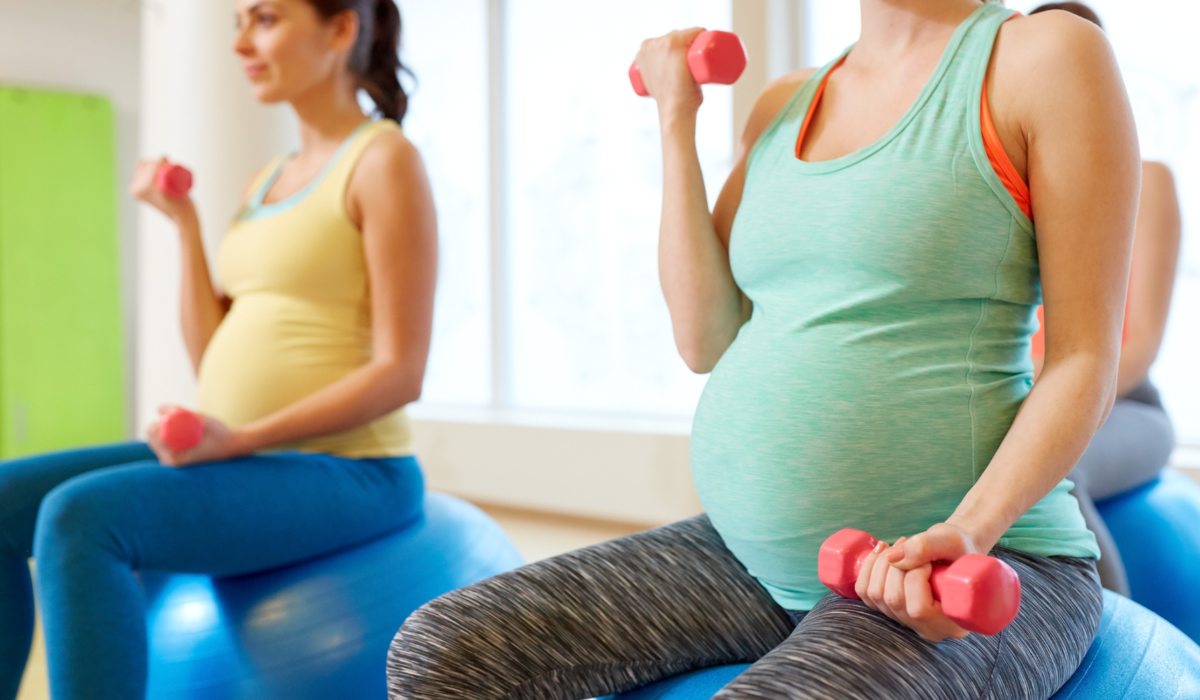
Why Exercise During Pregnancy Matters
Exercise is not just about staying in shape; it contributes to overall well-being during pregnancy. Here are some of the benefits:
- Improved Mood: Physical activity releases endorphins, reducing stress and anxiety.
- Enhanced Sleep: Regular exercise helps regulate sleep patterns, which can be disrupted during pregnancy.
- Reduced Discomfort: Strengthening core and back muscles can alleviate pregnancy-related aches and pains.
- Easier Labor: Staying fit improves stamina and strength, potentially leading to a smoother labor experience.
- Faster Recovery: Postpartum recovery is often quicker for women who remain active during pregnancy.
General Guidelines for Pregnant Women Exercising
Before beginning or continuing any workout routine during pregnancy, it’s crucial to follow these guidelines:
- Consult Your Doctor: Ensure your healthcare provider approves your exercise plan.
- Stay Hydrated: Drink plenty of water before, during, and after exercise.
- Listen to Your Body: Avoid overexertion and stop if you feel discomfort.
- Avoid High-Risk Activities: Stay clear of contact sports, high-impact exercises, and activities that risk falls.
- Focus on Moderation: Aim for 20-30 minutes of moderate exercise most days of the week.
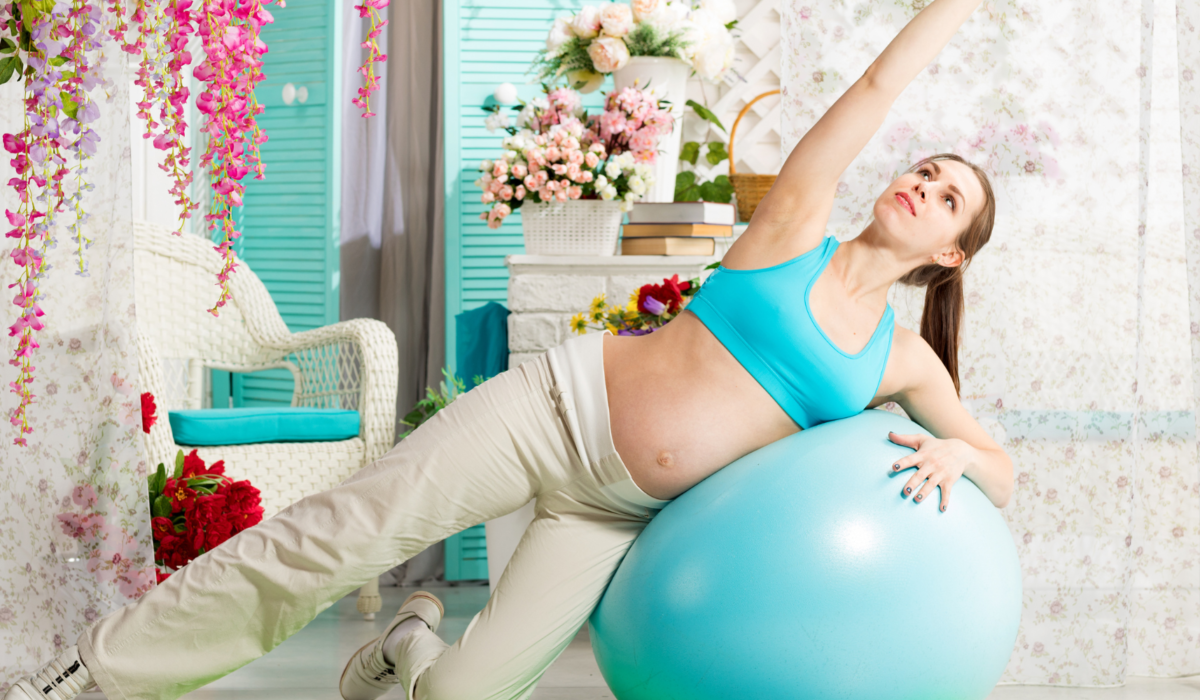


Best Exercises for Pregnant Women
First Trimester (Weeks 1–12)
The first trimester is a time of adjustment as your body begins to change. Light to moderate exercises are ideal.
Examples of Safe Exercises:
- Walking: A low-impact way to stay active and improve circulation.
- Prenatal Yoga: Focuses on flexibility, balance, and relaxation.
- Swimming: Provides full-body engagement without putting pressure on joints.
Tips:
- Avoid overheating.
- Incorporate pelvic floor exercises like Kegels to strengthen core muscles.
Second Trimester (Weeks 13–26)
In the second trimester, energy levels often improve, making it an excellent time to enhance your workout routine.
Examples of Safe Exercises:
- Low-Impact Aerobics: Helps maintain cardiovascular health without straining the body.
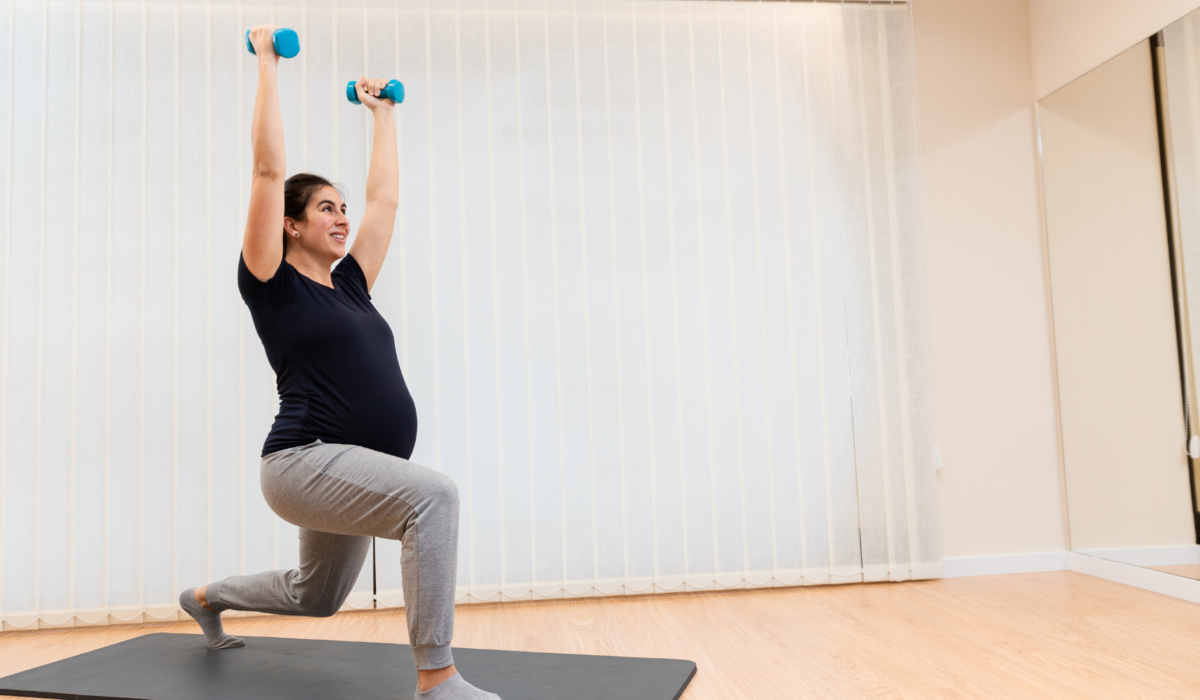
- Strength Training: Use light weights or resistance bands to tone muscles.
- Stationary Cycling: A safe way to boost stamina without risking balance.
Tips:
- Focus on exercises that maintain posture and strengthen the back.
- Avoid lying flat on your back for extended periods.
Third Trimester (Weeks 27–40)
As your due date approaches, your body requires gentler exercises that prepare you for labor.
Examples of Safe Exercises:
- Prenatal Pilates: Strengthens pelvic and core muscles to support delivery.
- Stretching: Keeps muscles flexible and relieves tension.
- Squats and Cat-Cow Stretches: Prepare the body for labor by opening the pelvis and relaxing the lower back.
Tips:
- Prioritize balance-focused exercises.
- Use support like a wall or chair to avoid falls.
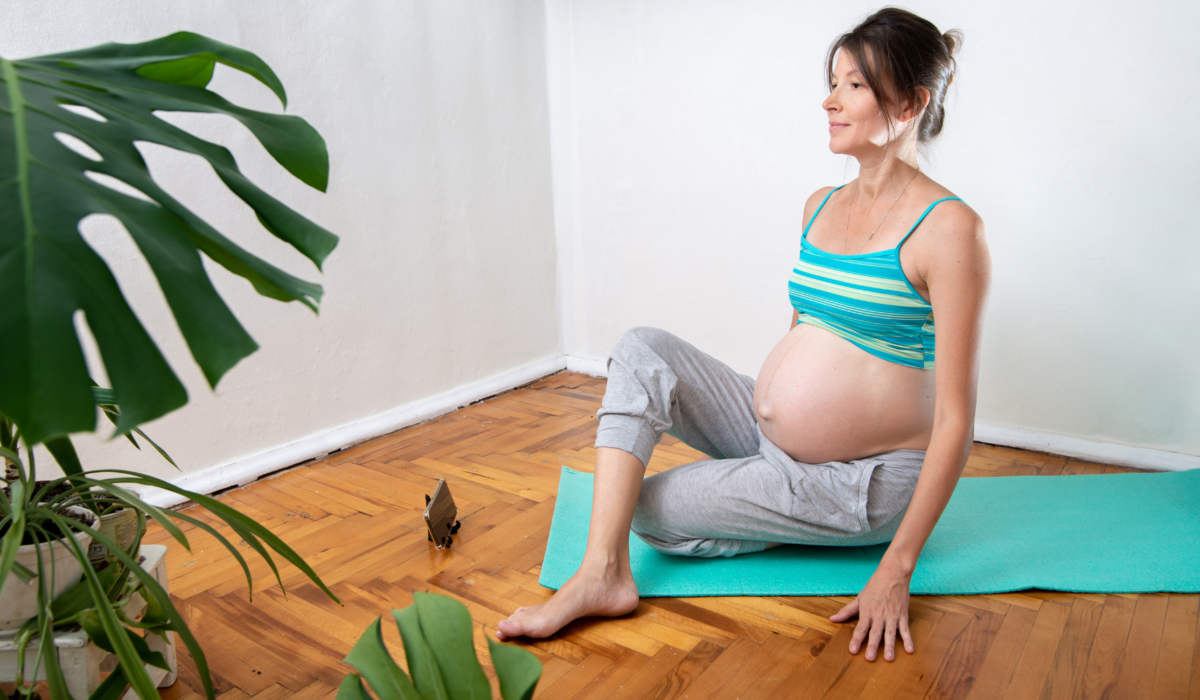



Home Workouts for Pregnant Women
For those who prefer the convenience of exercising at home, there are plenty of options tailored for pregnancy.
Sample Home Workout Routine:
- Warm-Up (5 Minutes): Gentle arm circles and side stretches.
- Bodyweight Squats (2 Sets of 10 Reps): Strengthens lower body.
- Wall Push-Ups (2 Sets of 10 Reps): Works upper body without strain.
- Cat-Cow Stretch (5 Reps): Relieves back tension.
- Seated Leg Lifts (2 Sets of 10 Reps): Tones thighs and improves circulation.
- Cool Down (5 Minutes): Deep breathing and light stretching.
Addressing Common Concerns
Is It Safe to Start Exercising During Pregnancy?
Yes, even if you were not active before pregnancy, you can begin a light exercise routine. Focus on low-impact activities and consult your doctor first.
Can Exercise Harm the Baby?
Exercise is generally safe and beneficial for most pregnancies. However, avoid overexertion, overheating, and exercises with a risk of falling.
What Should I Avoid?
- High-impact sports like skiing or horseback riding.
- Activities involving heavy weights or sudden movements.
- Exercises performed in extreme heat or cold.
Tips for Staying Motivated
- Set Realistic Goals: Small, achievable goals keep you consistent.
- Find a Partner: Exercising with a friend or partner can make workouts more enjoyable.
- Track Progress: Use a journal or app to monitor your activity and celebrate milestones.
- Invest in Prenatal Fitness Gear: Comfortable clothing and supportive shoes enhance your experience.
Postpartum Workouts: Continuing the Journey
After giving birth, many women are eager to regain strength and energy. Gentle postpartum exercises like walking, yoga, and pelvic floor strengthening are ideal for the initial weeks. Gradually increase intensity as your body recovers.
Staying Active for a Healthy Pregnancy
Exercise is a powerful tool for navigating the physical and emotional changes of pregnancy. By incorporating safe and tailored workouts into your routine, you can enhance your well-being and prepare for the journey of motherhood. Whether you prefer walking, yoga, or home workouts, staying active benefits both you and your baby. Always listen to your body, prioritize safety, and enjoy this remarkable time in your life.
Key Takeaways
Exercise Benefits During Pregnancy: Staying active improves mood, sleep, reduces discomfort, eases labor, and accelerates postpartum recovery.
General Guidelines for Pregnant Women:
- Consult your doctor before starting or continuing a workout routine.
- Stay hydrated and avoid overexertion or risky activities.
- Focus on moderation and listen to your body.
Best Exercises by Trimester:
- First Trimester: Walking, prenatal yoga, and swimming.
- Second Trimester: Low-impact aerobics, light strength training, and stationary cycling.
- Third Trimester: Prenatal Pilates, stretching, squats, and cat-cow stretches.
Home Workouts for Convenience:
- A balanced routine can include bodyweight squats, wall push-ups, cat-cow stretches, and seated leg lifts.
What to Avoid:
- High-risk activities like contact sports or exercises with heavy weights.
- Movements involving extreme balance or overheating.
Common Concerns Addressed: Exercise is generally safe if done correctly and helps maintain a healthy pregnancy, but always consult a healthcare provider for personalized advice.
Staying Motivated:
- Set realistic goals, find a workout partner, track progress, and invest in prenatal fitness gear.
Postpartum Continuation: Gentle exercises like walking and yoga can aid recovery and build strength after delivery.
By following these tips, pregnant women can safely stay active and support their health throughout pregnancy and beyond.
Disclaimer: This page contains affiliate links. If you purchase through these links, I may earn a small commission at no extra cost to you.