[As an Amazon Associate, I earn from qualifying purchases at no additional cost to you.]
Vegetable oils emerge as unsung heroes, revealing transformative benefits for both skincare and haircare rituals. In skincare, these oils act as nature’s elixirs, delivering deep hydration and nourishment. Jojoba oil mirrors the skin’s sebum, maintaining balance, while coconut oil’s antimicrobial properties make it a soothing balm. Olive oil, rich in antioxidants, fights free radicals, contributing to timeless skin vitality.
Transitioning to haircare, the magic persists. Coconut oil penetrates strands, fostering strength and shine. Argan oil, a liquid gold, tames frizz and bestows a glossy finish. Avocado oil and sweet almond oil repair and stimulate growth, respectively. The simplicity of grapeseed oil offers weightless silkiness, while castor oil thickens with a touch of luxury.
In both realms, these oils cater to individual needs, acting as versatile, natural solutions. Their nutrient-rich profiles transcend mere aesthetics, promoting overall health from head to toe. Embrace the holistic embrace of vegetable oils, discovering the timeless secret to radiant skin and luscious locks.
The use of vegetable oil
Vegetable oils are indispensable in both culinary and beauty realms, offering a range of applications that extend far beyond the kitchen. Here are some diverse uses of vegetable oils:
Cooking and Frying: Vegetable oils, with their high smoke points, are ideal for cooking and frying. They can withstand higher temperatures without breaking down, making them suitable for deep-frying and sautéing. Their ability to impart a mild flavor allows them to enhance the taste of a variety of dishes.
Baking: In baking, vegetable oils play a crucial role in creating moist and flavorful treats like cakes, muffins, and cookies. They contribute to the texture and overall palatability of baked goods.
Salad Dressings: Many salad dressings are oil-based, and vegetable oils provide a smooth and flavorful base for various herbs and spices. Their versatility allows for the creation of light vinaigrettes or rich and creamy dressings.
Marinades: Vegetable oils are often utilized in marinades for meats and vegetables. Apart from enhancing flavor, they help tenderize ingredients, making them perfect for grilling or roasting.
Beauty Care: Beyond the kitchen, vegetable oils have found a place in beauty care routines. Oils like olive oil, coconut oil, and jojoba oil possess moisturizing and nourishing properties beneficial for the skin. They can be applied topically to combat dryness, reduce inflammation, and promote a radiant complexion. Furthermore, these oils can be incorporated into hair care, providing hydration, reducing frizz, and contributing to overall hair health.
By seamlessly transitioning from the kitchen to beauty care, vegetable oils showcase their adaptability and efficacy in enhancing various aspects of our daily lives. Whether used to create a delectable dish or to nurture and revitalize the skin and hair, these oils are truly versatile and indispensable.
The Types of vegetable oil
The world of vegetable oils is incredibly diverse, offering a wide array of choices, each with its unique flavor profile, nutritional composition, and culinary uses. Let’s delve into the details of some common types:
Olive Oil
Varieties: Extra Virgin, Virgin, Pure, Light
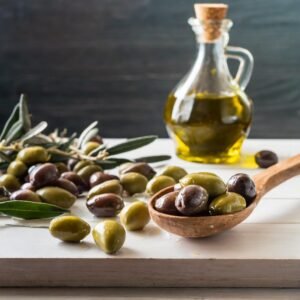
Renowned for its heart-healthy monounsaturated fats, olive oil comes in various grades, each suitable for different culinary applications. Extra virgin olive oil, cold-pressed from olives, is considered the highest quality with a robust flavor, while lighter versions are more versatile for cooking.
Canola Oil
Characteristics: Low in Saturated Fat, High in Omega-3 Fatty Acids
Derived from the canola plant, this oil is low in saturated fat and high in omega-3 fatty acids. With a mild flavor and a high smoke point, canola oil is a versatile option suitable for various cooking methods.
Sunflower Oil
Rich in: Vitamin E
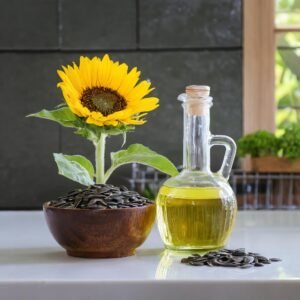
Extracted from sunflower seeds, this oil is light in flavor and rich in Vitamin E. It has a high smoke point, making it suitable for frying and cooking at high temperatures while offering potential health benefits for the heart.
Coconut Oil
Characteristics: Unique Flavor, High Saturated Fat Content
With a distinctive tropical flavor and a high saturated fat content, coconut oil is popular not only in cooking but also in non-culinary uses. It’s often used in baking, sautéing, and even in skincare for its moisturizing properties.
Avocado Oil
Rich in: Monounsaturated Fats, Vitamin E
Pressed from the pulp of avocados, this oil is rich in monounsaturated fats and vitamin E. With a mild flavor, avocado oil is suitable for various culinary applications, and its potential health benefits include supporting heart health.
Flaxseed Oil
Source of: Omega-3 Fatty Acids
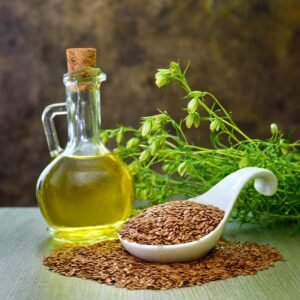
Known for its omega-3 fatty acids, flaxseed oil is often used in salad dressings or drizzled over dishes after cooking to preserve its nutritional value. It may contribute to heart health and has potential anti-inflammatory properties.
Walnut Oil
Rich in: Omega-3 Fatty Acids, Antioxidants
Walnut oil is a flavorful option with a nutty taste. It’s a good source of omega-3 fatty acids and antioxidants, supporting heart health and cognitive function. It’s often used in dressings and to add a finishing touch to dishes.
Rosehip Oil
Benefits: Rich in Vitamins A and C, Fatty Acids
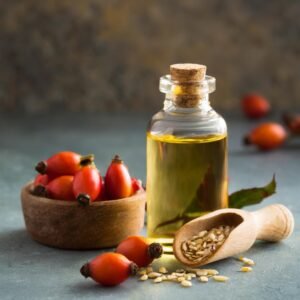
Extracted from the seeds of wild rose bushes, rosehip oil is known for its skin-nourishing properties. High in vitamins A and C, it is often used in skincare to promote hydration, reduce scars, and provide anti-aging benefits.
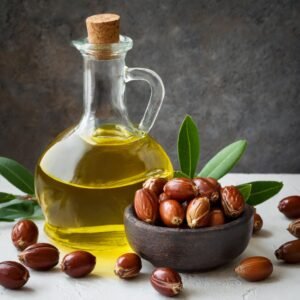
Derived from the jojoba plant, this oil closely resembles the skin’s natural oils. It is often used in skincare for its moisturizing properties and is suitable for various skin types.
Argan Oil
Rich in: Vitamin E, Essential Fatty Acids
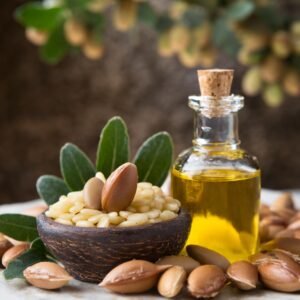
Extracted from the kernels of the argan tree, argan oil is rich in vitamin E and essential fatty acids. Known for its moisturizing and antioxidant properties, it is commonly used in skincare and haircare for hydration and shine.
These are just a few examples of the diverse vegetable oils available, each bringing its own set of benefits and flavors to the table. Incorporating a variety of oils into your culinary repertoire can not only enhance the taste of your dishes but also provide a range of nutritional advantages.
Vegetable oils have transcended their role in the kitchen and found a prominent place in skincare routines. These oils, rich in vitamins, antioxidants, and fatty acids, offer a natural and nourishing way to care for your skin. Here’s a closer look at how you can incorporate vegetable oils into your skincare regimen and which oils are commonly used:
Benefits for the Skin
Moisturization:
Vegetable oils, such as olive oil, coconut oil, and jojoba oil, have emollient properties that effectively moisturize the skin. They help lock in moisture, preventing dryness and promoting a soft and supple complexion.
Antioxidant Protection:
Many vegetable oils are rich in antioxidants, such as vitamin E and polyphenols, which help protect the skin from free radical damage. This can contribute to a more youthful appearance and assist in preventing premature aging.
Anti-Inflammatory Properties:
Certain oils, like almond oil and rosehip oil, have anti-inflammatory properties. They can soothe irritated skin, reduce redness, and assist in calming conditions like eczema or dermatitis.
Scar Reduction:
Oils like rosehip and argan oil are known for their ability to improve the appearance of scars and promote skin regeneration. Vitamin A and essential fatty acids in these oils contribute to skin renewal and may reduce the visibility of scars over time.
Commonly Used Oils for Skin
Olive Oil:
Known for its moisturizing properties, extra virgin olive oil is rich in antioxidants, which can combat oxidative stress and promote skin health.
Coconut Oil:
With its emollient and anti-inflammatory properties, coconut oil is often used to soothe and moisturize the skin. It is especially beneficial for dry or sensitive skin.
Jojoba Oil:
Due to its similarity to the skin’s natural oils, jojoba oil is easily absorbed and is excellent for moisturizing without clogging pores. It is often used for balancing oil production.
Almond Oil:
Almond oil is rich in vitamin E and has anti-inflammatory properties. It’s commonly used to soothe and nourish the skin, making it a popular choice for massage.
Rosehip Oil:
Renowned for its regenerative properties, rosehip oil is high in vitamins A and C. It is favored for reducing scars, hyperpigmentation, and promoting a radiant complexion.
Argan Oil:
With its high vitamin E content and nourishing properties, argan oil is often used for moisturizing the skin, reducing the appearance of fine lines, and improving overall skin elasticity.
Application Tips
Patch Test: Before applying any oil to your face, perform a patch test on a small area to ensure you don’t have an adverse reaction.
Individual Needs: Different skin types may benefit from different oils. For example, dry skin may benefit from heavier oils like olive or coconut, while jojoba or argan oil may be suitable for those with oilier skin.
Nighttime Application: Applying vegetable oils at night allows them to work their magic while you sleep, leaving you with hydrated and rejuvenated skin in the morning.
Incorporating vegetable oils into your skincare routine can be a natural and effective way to nourish and pamper your skin. However, individual responses may vary, so it’s essential to choose oils based on your skin’s needs and preferences.
Vegetable oils offer a natural and nourishing solution for hair care, providing hydration, strength, and shine. Whether you’re dealing with dry, frizzy strands or seeking to enhance the health and vitality of your hair, vegetable oils can be a beneficial addition to your hair care routine. Here’s how you can use vegetable oils for your hair and which oils are commonly favored:
Benefits for the Hair
Moisturization:
Vegetable oils, such as coconut oil, argan oil, and jojoba oil, penetrate the hair shaft, locking in moisture and preventing dryness. They help restore hydration to dry and damaged hair, leaving it soft and manageable.
Frizz Control:
Many vegetable oils have smoothing properties that can help tame frizz and flyaways. They create a protective barrier around the hair shaft, sealing in moisture and smoothing the hair cuticle for a sleeker appearance.
Strength and Elasticity:
Oils rich in fatty acids, such as avocado oil and almond oil, help strengthen the hair shaft and improve elasticity. Regular use can reduce breakage and split ends, promoting healthier, more resilient hair.
Scalp Health:
Some vegetable oils, like olive oil and castor oil, have antibacterial and antifungal properties that can help maintain scalp health. Massaging these oils into the scalp can stimulate circulation, nourish the hair follicles, and promote healthy hair growth.
Commonly Used Oils for Hair
Coconut Oil:
With its lightweight texture and high affinity for hair proteins, coconut oil is a popular choice for moisturizing and conditioning the hair. It penetrates the hair shaft to nourish from within, leaving hair soft, shiny, and more manageable.
Argan Oil:
Renowned for its nourishing properties, argan oil is rich in vitamins, antioxidants, and essential fatty acids. It helps repair damaged hair, reduce frizz, and restore shine, making it a favorite for dry and brittle hair.
Jojoba Oil:
Jojoba oil closely resembles the natural oils produced by the scalp, making it an excellent choice for moisturizing and balancing the hair and scalp. It helps regulate oil production, conditions the hair, and promotes scalp health.
Avocado Oil:
Packed with vitamins, minerals, and antioxidants, avocado oil is deeply nourishing and moisturizing for the hair. It strengthens the hair shaft, reduces breakage, and enhances shine, making it beneficial for dry and damaged hair.
Olive Oil:
Olive oil is rich in vitamins and antioxidants that help nourish and strengthen the hair. It can improve hair elasticity, reduce frizz, and add luster to dull, lifeless hair.
Castor Oil:
Known for its thick consistency and moisturizing properties, castor oil is often used to promote hair growth and scalp health. It can strengthen hair follicles, reduce dandruff, and add volume to the hair.
Application Tips
Pre-Shampoo Treatment: Apply a small amount of vegetable oil to damp hair before shampooing to protect it from the drying effects of shampoo and to enhance moisture retention.
Leave-In Treatment: Use vegetable oils as a leave-in conditioner or styling aid by applying a small amount to the ends of damp or dry hair to tame frizz and add shine.
Scalp Massage: Incorporate scalp massages with vegetable oils into your hair care routine to stimulate circulation, promote hair growth, and maintain scalp health.
Vegetable oils offer a natural and effective way to nourish, moisturize, and strengthen your hair, leaving it looking and feeling healthy and vibrant. Experiment with different oils to discover which ones work best for your hair type and concerns.
While vegetable oils offer a plethora of benefits, it’s essential to be mindful of potential side effects, especially when consumed or applied excessively. Here are some considerations to keep in mind:
1. Caloric Content:
Vegetable oils are calorie-dense, with around 120 calories per tablespoon. Overconsumption can contribute to an excess calorie intake, potentially leading to weight gain if not accounted for within your overall diet.
2. Saturated Fat Content:
Certain vegetable oils, like coconut oil and palm oil, are high in saturated fats. While these fats are considered healthier than trans fats, excessive consumption may still contribute to elevated cholesterol levels and cardiovascular issues.
3. Omega-6 Fatty Acids:
Some vegetable oils, particularly those derived from seeds (e.g., soybean oil, corn oil), are high in omega-6 fatty acids. While these fatty acids are essential, an imbalance between omega-6 and omega-3 fatty acids in the diet may contribute to inflammation. Strive for a balance between omega-6 and omega-3 fatty acids for optimal health.
4. Allergies:
Individuals with allergies to specific plant sources should exercise caution when using oils derived from those plants. For example, those allergic to nuts should avoid oils like almond or walnut oil.
5. Skin Sensitivity:
When using vegetable oils for skin care, perform a patch test to ensure you don’t have an adverse reaction. Some people may be sensitive to certain oils, leading to irritation or allergic reactions.
6. Quality and Processing:
The quality of vegetable oil can vary based on processing methods and the source of the oil. Some oils may undergo refining processes that strip away nutrients. Choosing cold-pressed or extra virgin oils when applicable can ensure a higher nutrient content.
7. Rancidity:
Vegetable oils can become rancid over time due to exposure to light, air, and heat. Consuming rancid oils may lead to oxidative stress in the body. Store oils in a cool, dark place and check for signs of rancidity, such as a foul odor or off taste.
8. Potential for Acne:
Applying certain oils directly to the face may contribute to acne or worsen existing breakouts, especially for individuals with oily or acne-prone skin. It’s essential to choose oils with low comedogenic ratings for facial applications.
9. Hair Overwhelm:
Using excessive amounts of oil on the hair can lead to a greasy appearance. It’s crucial to find the right balance for your hair type and avoid overapplication.
10. Individual Variability: – Individual responses to vegetable oils can vary. What works well for one person may not be suitable for another. Pay attention to how your body reacts and adjust usage accordingly.
Vegetable oils, celebrated for their versatility and nutritional richness, have firmly entrenched themselves in our culinary and beauty rituals. Beyond being mere cooking companions, these oils are flavor alchemists, transforming ordinary meals into extraordinary delights. Whether it’s the heart-healthy monounsaturated fats of olive oil or the omega-3 fatty acids in flaxseed oil, they infuse not just taste but also essential nutrients into our diets. Similarly, in the realm of beauty, from the skin-nourishing qualities of coconut and jojoba oil to the hair-revitalizing wonders of argan oil, vegetable oils offer holistic care. The key lies in a balanced approach – moderation and informed utilization ensure that these oils, like versatile guardians, unfurl their full spectrum of benefits in our kitchens and beauty routines.